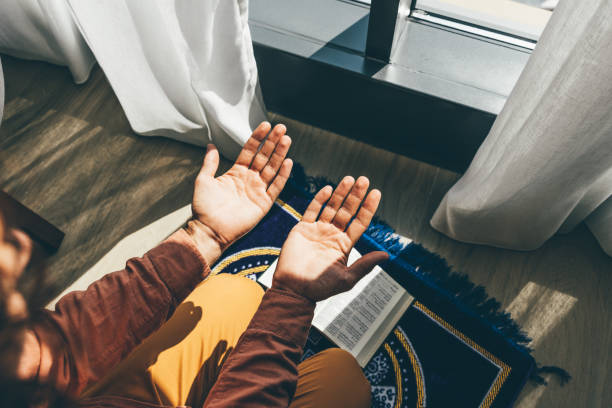
Discover 10 powerful duas before sleep with meanings, benefits, and Islamic reminders to bring peace, protection, and blessings into your nightly routine.
Before going to sleep, many Muslims turn to Allah through short and meaningful duas that bring peace to the heart and protection during the night. These nightly supplications were taught by the Prophet Muhammad (peace be upon him) and are part of a beautiful spiritual routine that helps believers end their day with remembrance and gratitude. Reading duas before sleep reminds us to place our trust in Allah, seek forgiveness, and prepare our hearts for rest.

What Is This Dua About?
Duas before sleep are short prayers recited at night to ask Allah for protection, mercy, and blessings. They are not long or complicated — most of them are simple phrases that carry deep meaning. Muslims recite these duas to calm their minds, strengthen faith, and follow the Sunnah of the Prophet (peace be upon him). Even reading one or two regularly can help create a peaceful bedtime habit filled with remembrance of Allah.
Dua 1 – Bismika Allahumma Amutu Wa Ahya
- Arabic: بِاسْمِكَ اللَّهُمَّ أَمُوتُ وَأَحْيَا
- English translation: “In Your name, O Allah, I die and I live.”
- Short meaning: This dua reminds us that sleep is like a small form of death and waking up is a gift from Allah. By saying these words, a Muslim places their life and soul in Allah’s protection before resting.
Dua 2 – Ayat al-Kursi
- Translation: “Allah — there is no deity except Him, the Ever-Living, the Sustainer of existence…”
- Explanation: Reciting Ayat al-Kursi before sleep is highly recommended because it is known for protection. The meaning focuses on Allah’s power, knowledge, and authority over everything, bringing comfort and security to the believer.
H2: Dua 3 – The Three Quls (Surah Al-Ikhlas, Al-Falaq, An-Nas)
- Translation: Short chapters from the Qur’an asking for protection from harm, darkness, and evil.
- Explanation: The Prophet (peace be upon him) would recite these surahs, blow lightly into his hands, and wipe over his body. They remind Muslims that true protection comes from Allah alone.
Dua 4 – Allahumma Aslamtu Nafsi Ilayk
- Translation: “O Allah, I submit myself to You, turn my face to You, and entrust my affairs to You.”
- Explanation: This dua is about surrender and trust. It encourages believers to let go of worries and place their fears and hopes in Allah’s care before sleep.
Dua 5 – SubhanAllah (33), Alhamdulillah (33), Allahu Akbar (34)
- Translation: “Glory be to Allah,” “All praise is for Allah,” “Allah is the Greatest.”
- Explanation: These phrases are easy to remember and bring immense spiritual reward. Repeating them helps calm the heart and keeps the tongue busy with remembrance rather than stress.
Dua 6 – Allahumma Qini ‘Adhabaka
- Translation: “O Allah, protect me from Your punishment on the Day You resurrect Your servants.”
- Explanation: This short dua reminds Muslims to think about the Hereafter. It encourages reflection, repentance, and hope for Allah’s mercy.
Dua 7 – Seeking Forgiveness Before Sleep (Astaghfirullah)
- Translation: “I seek forgiveness from Allah.”
- Explanation: Ending the day by asking for forgiveness helps cleanse the heart from mistakes made during the day. It encourages humility and spiritual growth.
Dua 8 – Allahumma Bika Amutu Wa Ahya
- Translation: “O Allah, by Your name I live and die.”
- Explanation: Similar to the first dua, this supplication emphasizes dependence on Allah. It reminds believers that life and rest are both gifts from Him.
Dua 9 – Protection From Fear and Anxiety
- Translation: “O Allah, grant peace to my heart and protect me from worry.”
- Explanation: While wording may vary, many Muslims make personal duas asking Allah to remove stress and fear. This shows that dua can be both taught and personal.
Dua10 – Personal Gratitude Dua
- Translation: Any personal prayer thanking Allah for the day.
- Explanation: Expressing gratitude before sleep builds a positive mindset. Even a simple “Alhamdulillah for everything” helps end the day with contentment.
Benefits of These Duas
- Spiritual Protection: Many of these duas are known to protect from fear, negative thoughts, and unseen harm during the night.
- Peaceful Sleep: Remembering Allah calms the mind and helps reduce stress before bed.
- Stronger Faith: Regular recitation builds a consistent connection with Allah and strengthens daily worship habits.

When to Read These Duas
These duas are usually read right before lying down to sleep. Many Muslims perform wudu (ablution) first, sit on their bed, and recite the supplications quietly. Some prefer to read them after the last prayer of the day, while others say them once they are fully ready to rest. There is flexibility — the most important thing is sincerity and consistency. Even reading a few of these every night can create a meaningful spiritual routine.
3 Best Dua Before Sleeping At Night
Related Islamic Reminder
Islam teaches that the end of the day is a moment for reflection and gratitude. The Prophet Muhammad (peace be upon him) encouraged believers to remember Allah in both easy and difficult times.
By reciting duas before sleep, Muslims close their day with faith instead of worry. It is a reminder that Allah is always near, listening to every whisper and understanding every intention. Even small acts of remembrance carry great reward when done sincerely.
Q: Can I read these duas every day?
A: Yes, many Muslims read them daily as part of their nightly routine.
Q: Do I need to memorize them?
A: You can start slowly and learn step by step. Reading from a phone or paper is fine until you memorize them.
Reciting duas before sleep is a simple yet powerful habit that brings peace, protection, and closeness to Allah. These short supplications help Muslims reflect on their day, seek forgiveness, and rest with a calm heart. You do not need to start with all ten at once — choose one or two and make them part of your nightly routine. With time, these small moments of remembrance can transform the way you end each day, filling your nights with tranquility and your heart with faith.https://globalmuslim.us/